
Compliance-ready flaring. No smoke. No blowers.
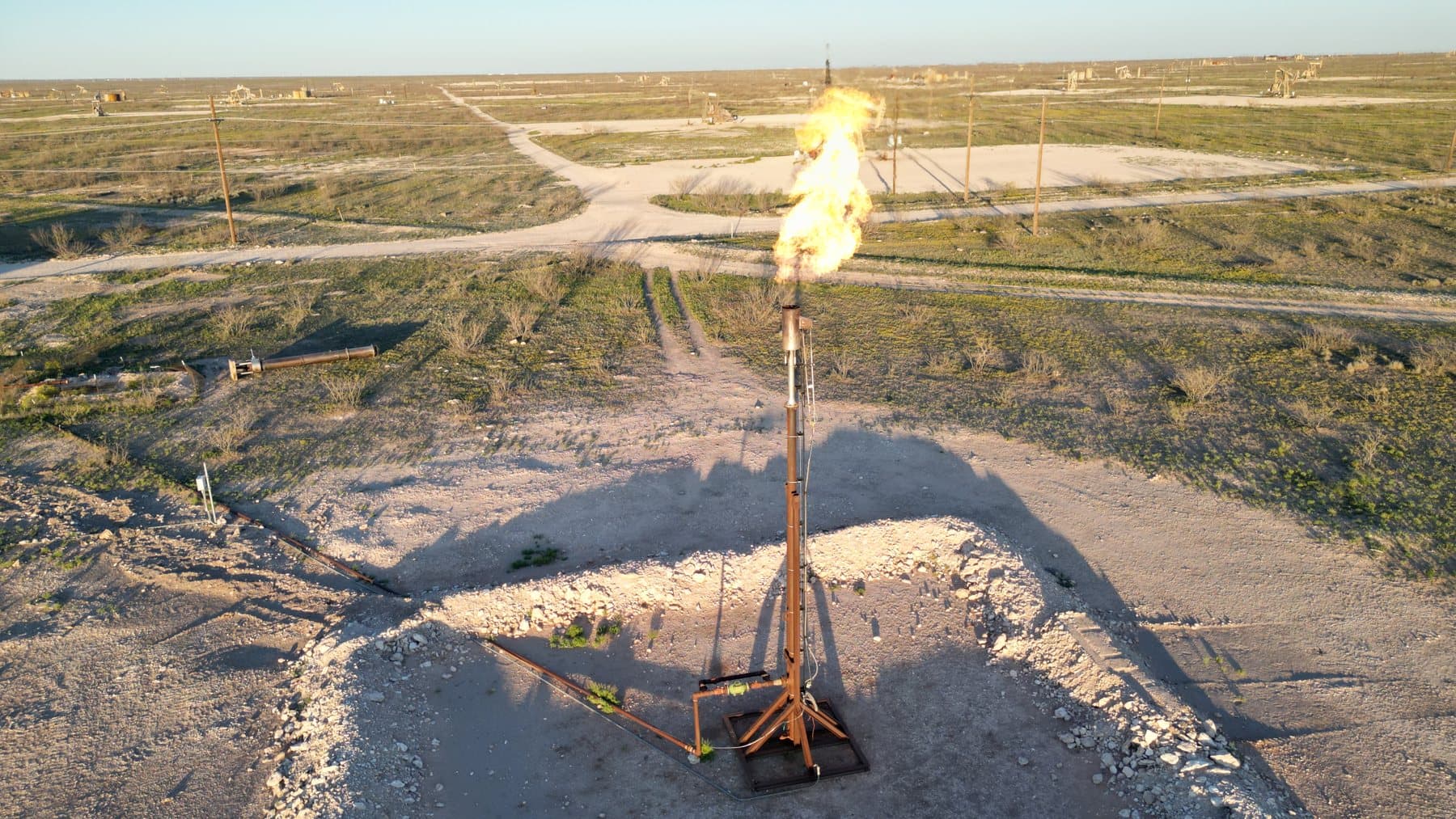
DWS is the Permian Basin distributor and installer for a patented vortex smokeless flare tip that destroys 99%+ of VOCs with no blowers, no steam, no assist air, and no electricity. We size the tip to your flow, quote a new trailer unit or a retrofit of the stack you already own, set it with our own crews, and stand behind it — one call, start to finish.
99%+
VOC destruction efficiency
0
Blowers · steam · assist air · power
1–20
MMSCFD standard sizes (custom beyond)
6+ yrs
In continuous Permian field service
Your Permian Basin Distributor
One call for the flare — and everything around it.
The tip is engineered and patented by its manufacturer. Everything that gets it burning clean on your pad — sizing, sales, delivery, installation, retrofit and ongoing pilot service — is DWS, out of Midland, with the same crews and trucks that already run your leases.
Sizing & sales
Send flow range, pressure, and gas analysis — we size the tip (1 to 20+ MMSCFD) and quote it straight.
New trailer & stationary units
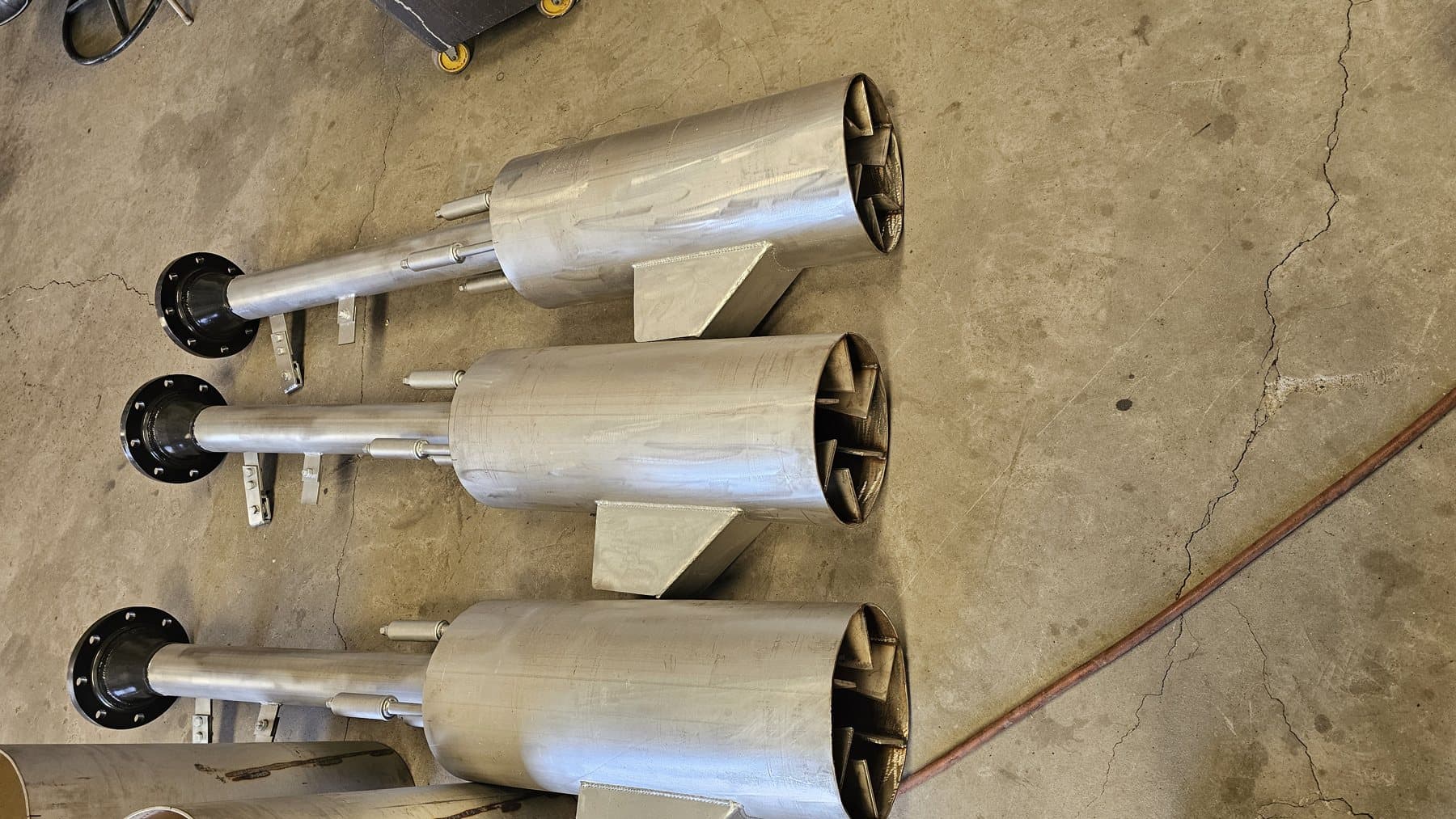
Complete flare packages, 25 to 60 ft radiation-compliant stacks, single or dual tip.
Retrofit existing stacks
Swap the tip on the flare you own and add a ground-level pilot track — same-day install.
Installation crews
Our own hands set the tip and run the pilot track. No third-party contractor in the middle.
Pilot & ongoing service
Hand-winch pilot track means service from the ground — and we come back if you ever need us.
Compliance support
Designed to support EPA NSPS OOOOb / EG OOOOc destruction and pilot-monitoring objectives.
How It Works
Physics does the work. Not a blower.
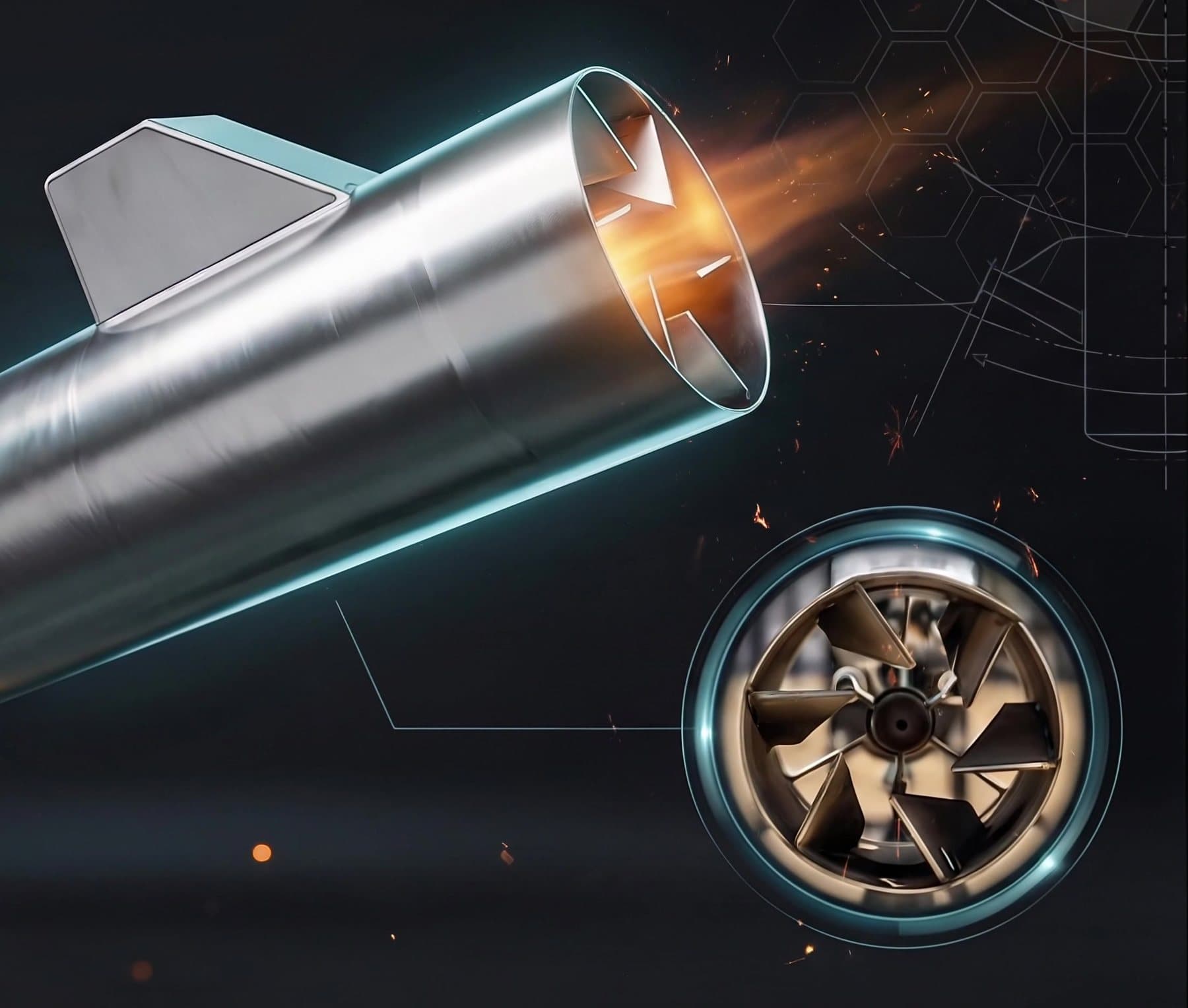
Patented vortex geometry inside the tip does the mixing that blowers and steam used to do — with zero moving parts and zero utilities. Here is exactly what happens between the riser and the flame.
Gas enters the inlet
Process gas rises through the riser into the tip body — high pressure or low pressure, wet or dry gas. One tip handles the full range without re-tuning.
Bullet flow director shapes the stream
An aerodynamic bullet at the core spreads the gas evenly across the full bore of the tip instead of letting it leave as one dense jet.
Chevron vanes spin a vortex
Angled internal vanes induce rotation, pulling ambient air into the gas stream and creating the turbulent mixing that complete combustion needs.
Pilot lights a clean, stable flame
The pilot port ignites a fully aerated mixture. The result is a short, hot, smokeless flame with 99%+ destruction — at any flow the well throws at it.
Why it burns clean — the field-school version
Smoke is unburned fuel
A visible plume is soot — carbon that never got enough oxygen to burn. Open-pipe flares push gas out faster than air can mix in, so the outer flame burns and the core does not. Every pound of black smoke is a pound of hydrocarbon you flared and still emitted.
Assist systems fight the symptom
Steam and air-assisted flares solve the mixing problem by adding energy: a blower, a compressor, a steam source, controls, and a technician to keep them tuned. It works when everything works — and fails first in a freeze, a power loss, or a flow swing.
The vortex fixes it at the source
The patented tip geometry entrains air with the gas itself. Rotation stretches the flame surface, mixes across the whole cross-section, and holds the flame stable on the vanes — so combustion is complete without a single moving part or utility.
Passive means it stays lit
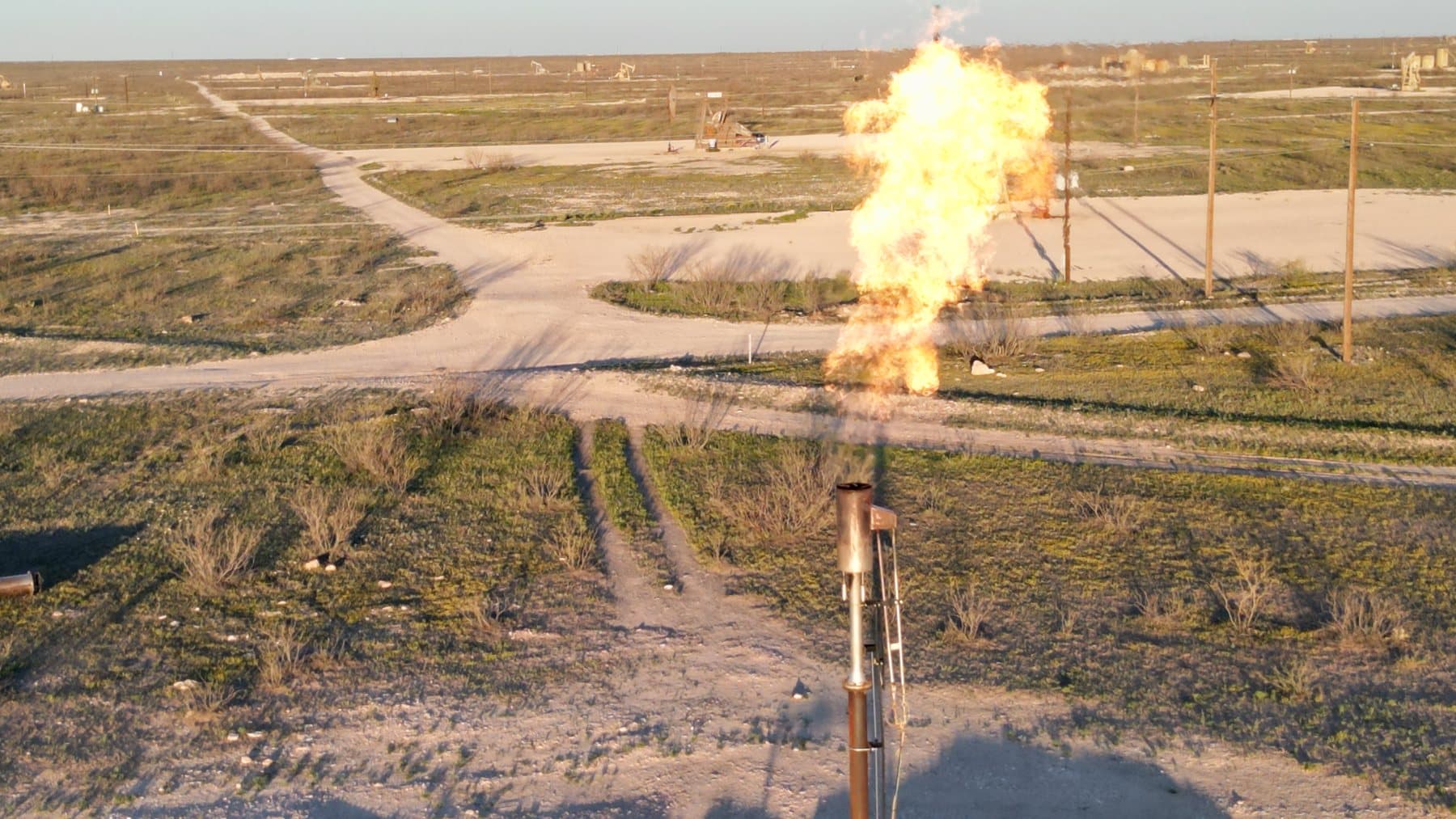
Nothing to power means nothing to lose. The original Permian installs have run for six-plus years with zero troubleshooting calls, including straight through Winter Storm Uri in February 2021 when assisted systems across the basin went dark.
Configurations & Specifications
Sized to the well. Built for the pad.
| Standard capacities | 1, 5, 15 and 20 MMSCFD — custom builds from 1 MMSCFD to customer-specified capacity |
|---|---|
| Configurations | Single tip · Dual tip · Stationary stack · Trailer-mounted mobile unit |
| Trailer stack heights | 25 ft to 60 ft, radiation-compliant; shorter stationary stacks supported |
| Gas service | High- and low-pressure in one unit; wet or dry gas; variable flow |
| Pilot service | Ground level via hand-winch pulley track — no lift equipment required |
| Power requirement | None — fully mechanical, passive design; pilot only |
| Retrofit option | Tip replacement on existing stacks; pilot-track and supporting-component upgrade |
| Compliance framework | Designed to support EPA NSPS OOOOb / EG OOOOc destruction and monitoring objectives |
Head to Head
Simpler wins in the field.
| Open-pipe flare | Air / steam-assisted | DWS smokeless tip | |
|---|---|---|---|
| Visible smoke | Constant at load | Only if assist runs right | ✓None |
| Destruction efficiency | Often below 95% | 95–98% when tuned | ✓99%+ |
| Power / utilities | None | Blower, steam or compressor | ✓None |
| Moving parts | None | Motors, valves, controls | ✓None |
| Low-flow performance | Smokes or lifts off | Requires re-tuning | ✓Stable across the range |
| Pilot service | Man-lift or crane | Man-lift or crane | ✓Ground level, hand winch |
| Freeze resilience | Pilot-dependent | Assist system fails first | ✓Ran through Feb 2021 |
| Retrofit path | Replace the stack | Add a skid plus utilities | ✓Swap the tip |
The Regulatory Clock
The rules are written. The deadlines are set.
EPA's methane rule for oil and gas (NSPS OOOOb / EG OOOOc) was finalized in March 2024 and is being adopted through state plans. Flares are squarely in scope — and a flare that cannot document its destruction efficiency with a monitored pilot is a compliance gap.
NSPS OOOOb
New & modified sources
Applies now to sites built or modified after December 6, 2023. Flares must demonstrate 95% destruction efficiency with continuous pilot monitoring.
EG OOOOc
Existing sources
State plans bring legacy sites under the same performance bar. Every existing flare will need to prove it performs — or be replaced.
Texas · RRC & TCEQ
Enforcement is local
Statewide Rule 32 flaring authorizations, TCEQ air permits and visible-emissions surveys add a second layer of scrutiny on Permian pads.
Retrofit
Already have a stack? Keep it.
Most legacy flares do not need to be replaced — they need a better tip. A DWS retrofit swaps the tip, adds the ground-level pilot track, and brings the stack you already own up to OOOOb / OOOOc performance.
Site survey
We measure the existing riser, flange and stack height, and pull your gas composition and expected flow range.
Tip fabricated to fit
Matched to your flange, sized to your MMSCFD range. Pilot track and supporting components included.
Same-day swap
Our crew sets the new tip and runs the pilot track. Minimal downtime — no new utilities, no skid, no wiring.
Applications
Where it goes to work
- Upstream pad-level flaring
- Midstream gathering & compression
- Tank battery vapor destruction
- Well testing & flowback
- Outage-resilient relief flaring
- Replacing smoking open-pipe flares under enforcement
When a tip is not the whole answer
Straight talk: if your permit requires vapor recovery instead of destruction, or your gas composition and flow range fall outside what a sized tip can handle, we will tell you before you buy — and point you to the right engineering review. That is what dependable means.
In the Field
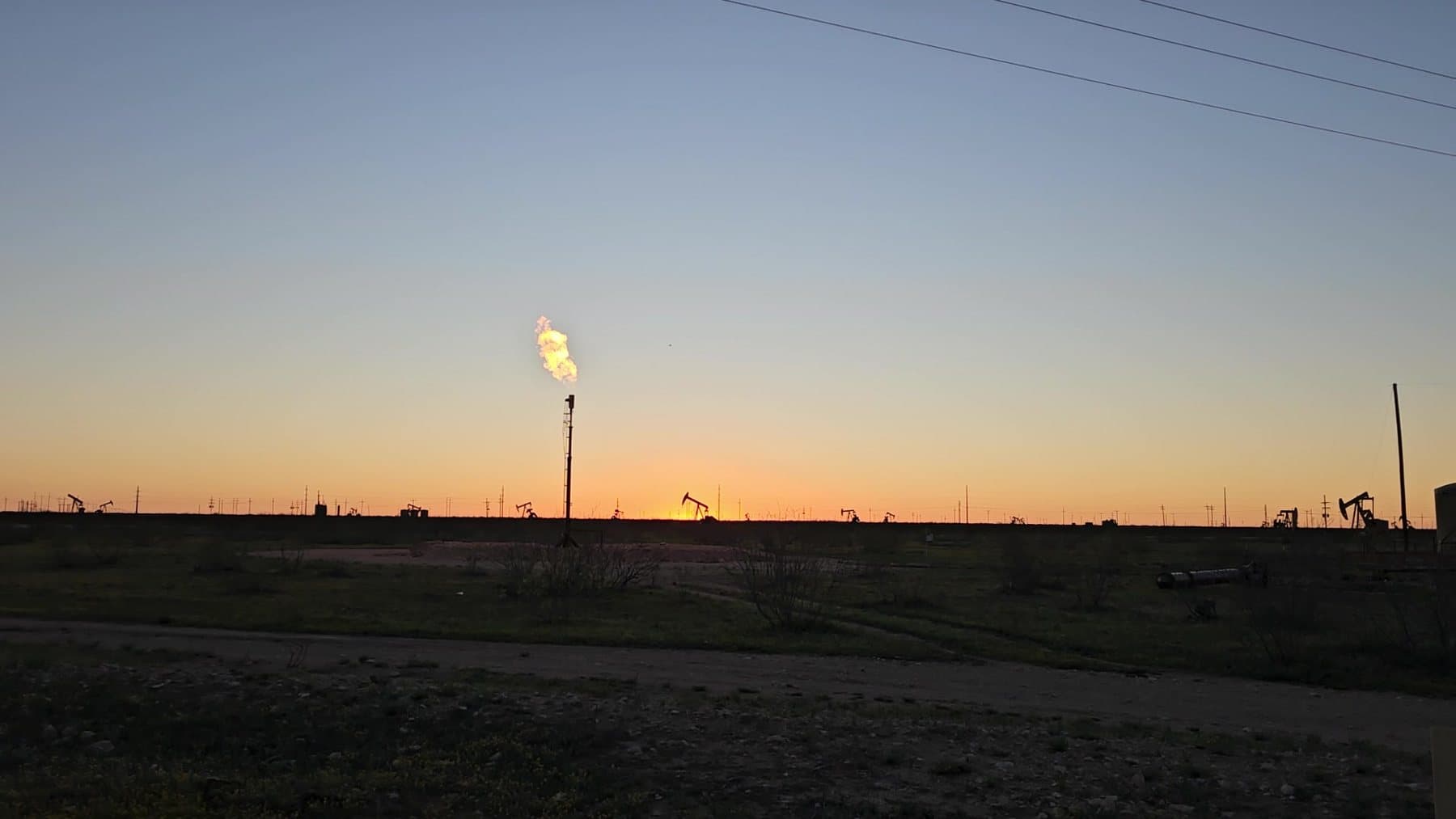
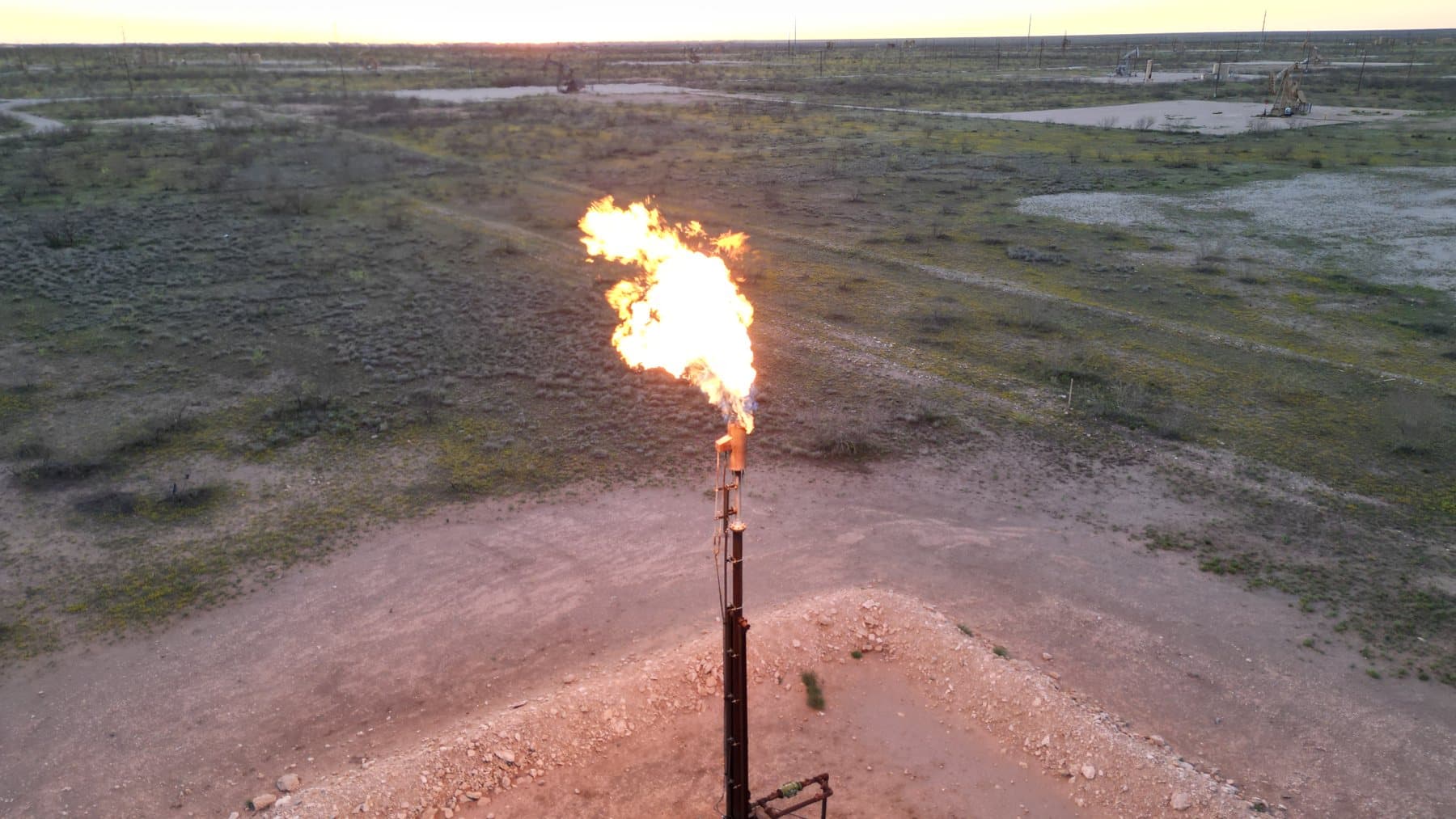
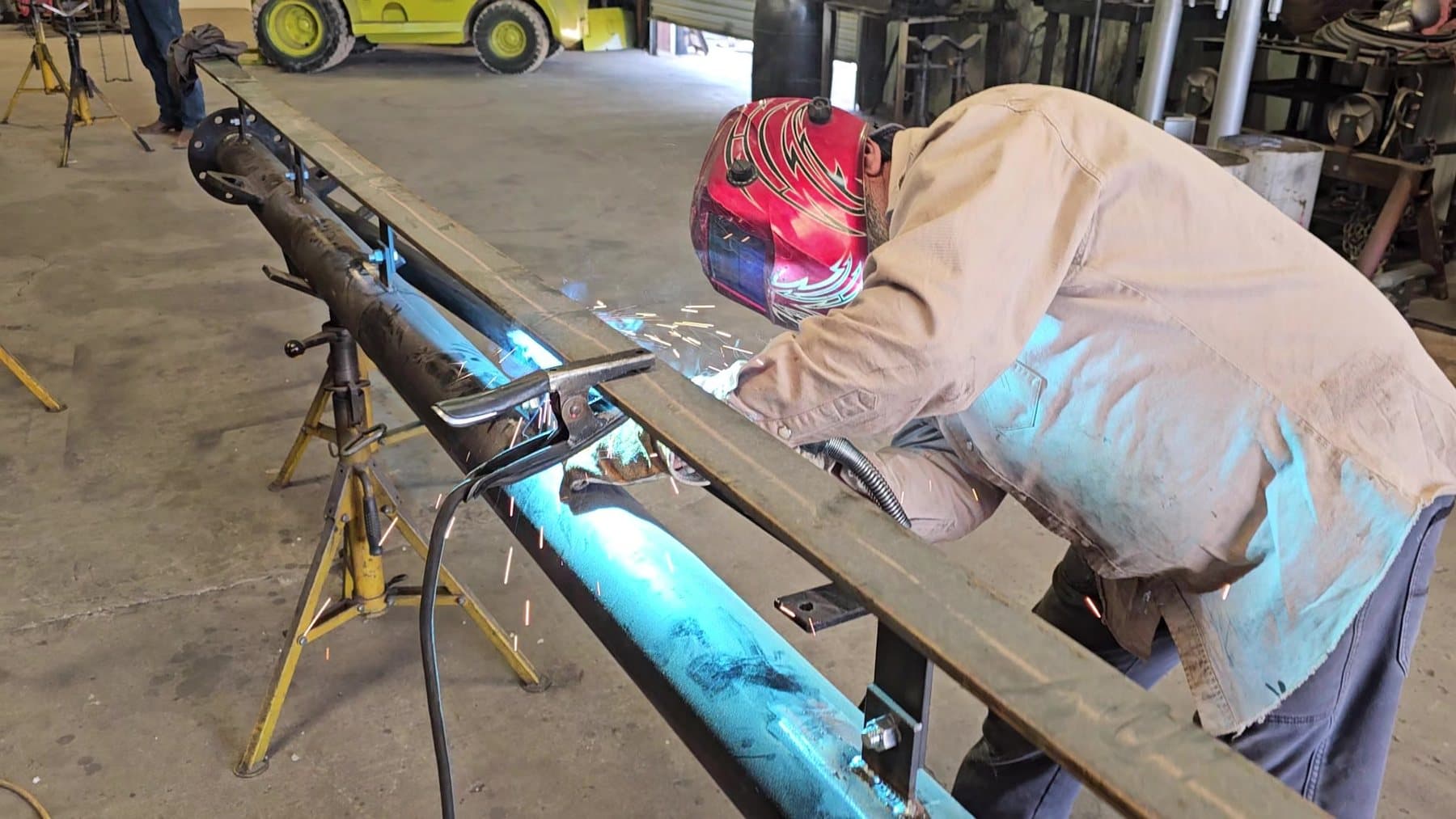
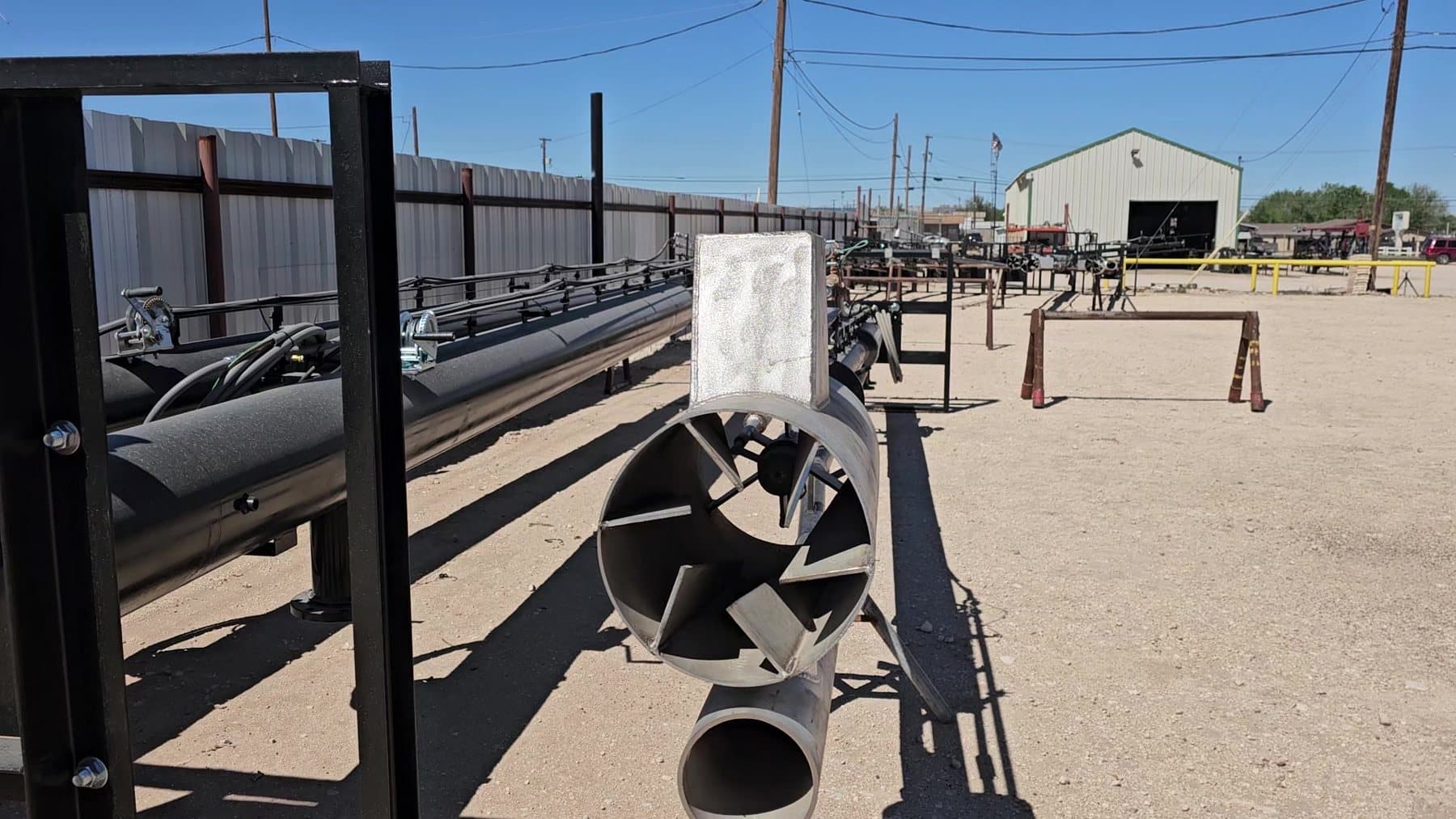
Proven in the Permian.
Straight Answers
Smokeless flare questions, answered
What makes the flare smokeless without a blower or steam?
The mixing happens inside the tip. A bullet-shaped flow director spreads the gas across the full bore, and angled chevron vanes spin it into a vortex that pulls ambient air into the stream. That fully aerated mixture burns short, hot, and complete — no soot, no visible plume — using physics instead of a blower, steam, or assist air.
Will it meet EPA OOOOb / OOOOc flare requirements?
The tip is designed to support the 95% destruction-efficiency and continuous-pilot objectives in NSPS OOOOb and EG OOOOc, with 99%+ VOC destruction in service. Final compliance is site-specific — we will walk through your permit and monitoring requirements with you before you buy.
Can you retrofit the flare stack I already have?
In most cases, yes. We survey the existing riser, flange, and stack height, fabricate a tip that matches, and swap it along with a ground-level pilot track — usually in a single day with no new utilities, skid, or wiring.
What sizes are available?
Standard tips are sized for 1, 5, 15, and 20 MMSCFD, with custom builds from 1 MMSCFD up to your specified capacity. Single tip, dual tip, stationary, or trailer-mounted with 25 to 60 ft stacks.
How do I service the pilot?
From the ground. A hand-winch pulley track lowers the pilot assembly so a crew can inspect or replace it without a man-lift or crane — one of the biggest ongoing cost savings versus a conventional stack.
How do I get a quote?
Call 432-425-6000 or send us your expected flow range, operating pressure, gas composition, and whether you need a new unit or a retrofit. We will size it and send back a proposal within days.
More From DWS
Other services
Bring us your flow range, pressure and gas analysis. We'll size the tip, quote the install or retrofit, and put a smokeless flare on your pad before the next inspection.
Request a Flare Quote